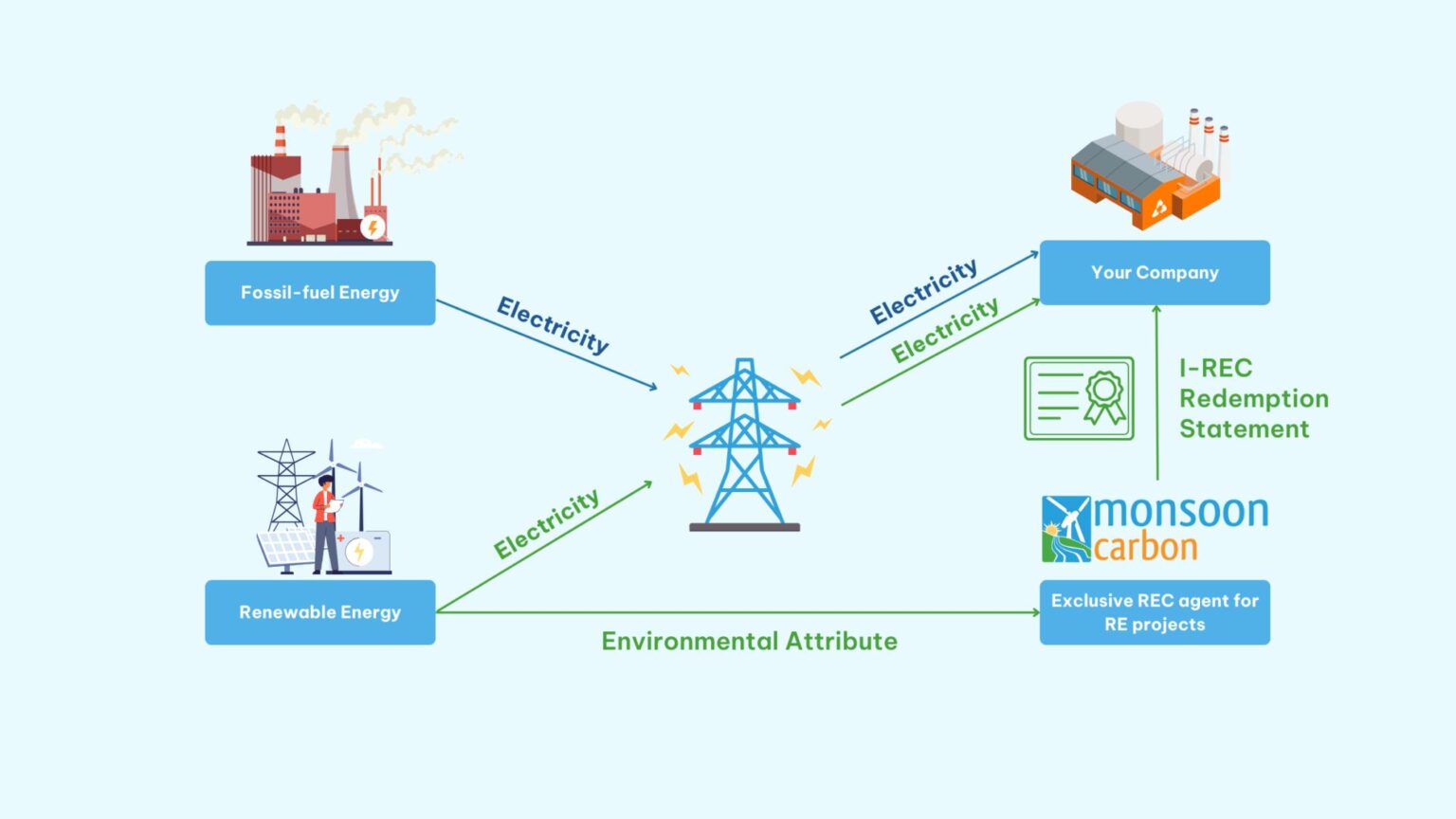
India’s renewable energy sector is booming, with solar power leading the charge towards a sustainable future. For solar plant owners, the primary revenue stream comes from selling electricity. However, an often-overlooked and significant opportunity exists to generate additional income by monetizing carbon credits.
At Bhore Engineering Consultants (BEC), we specialize in not only designing and implementing efficient solar projects but also in unlocking their full financial potential, including navigating the complexities of carbon credit mechanisms. This blog post will explain how a typical 1 MW solar plant in India can tap into this lucrative market.
Understanding Carbon Credits: The Basics
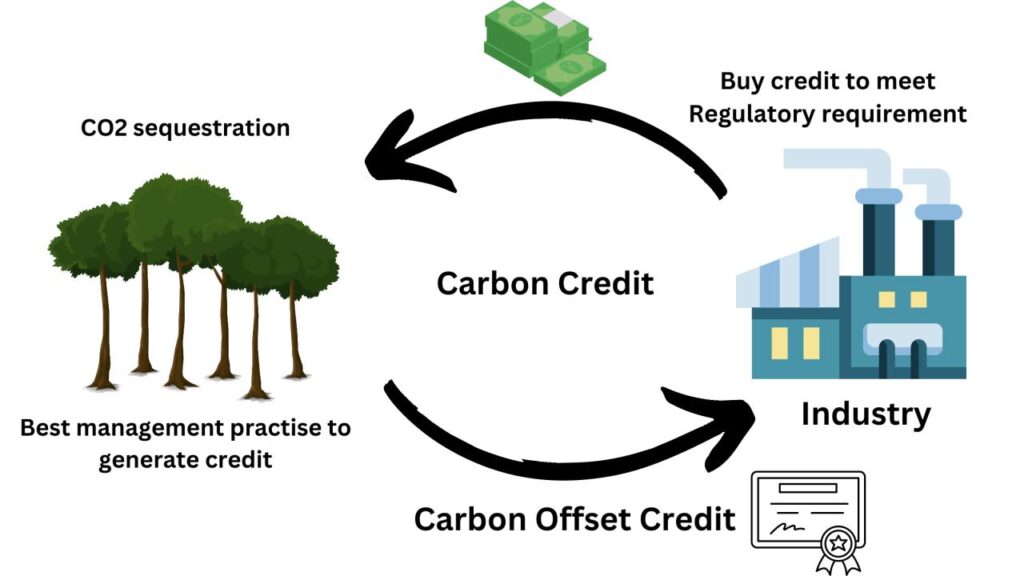
Carbon credits are measurable, verifiable permits that represent the reduction of one tonne of carbon dioxide equivalent (CO2e) emissions. They are generated by projects that reduce greenhouse gas (GHG) emissions (like solar plants) and can be bought by entities that need to offset their own emissions. This creates a market mechanism to incentivize emission reductions.
In India, the carbon market primarily involves Voluntary Carbon Credits (VCCs), often called Verified Emission Reductions (VERs). These are traded on voluntary markets, providing an additional revenue stream for green projects.