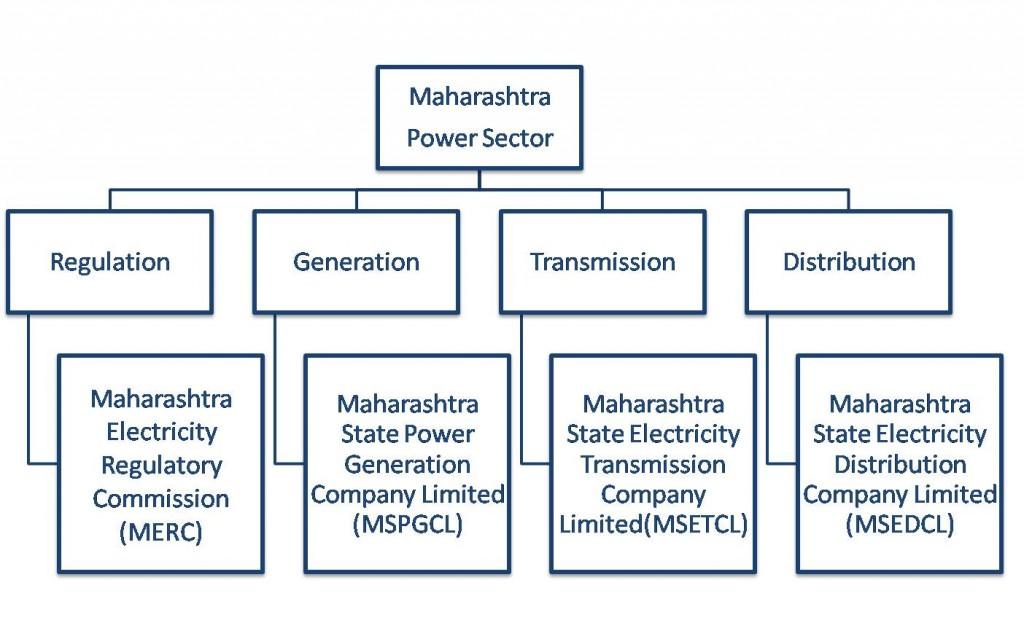
For businesses and residents across Maharashtra, understanding your electricity bill means understanding the Maharashtra State Electricity Distribution Company Limited (MSEDCL) tariff structure. The tariff is not a single rate; it’s a complex system of categories, sub-categories, and slabs designed by the Maharashtra Electricity Regulatory Commission (MERC).
In 2025, MSEDCL is operating under its latest Multi-Year Tariff (MYT) regime. While recent orders have offered tariff reductions for many categories, especially residential, miscategorization or inefficient consumption can still lead to inflated bills.
At Bhore Engineering Consultants (BEC), we don’t just audit energy—we provide the strategic insight to ensure you’re in the right tariff category and consuming energy optimally.
Understanding Your Supply: Low Tension (LT) vs. High Tension (HT)
The most fundamental distinction in your MSEDCL bill is the voltage level at which you receive power. This determines whether you are an LT (Low Tension) or HT (High Tension) consumer, and it significantly impacts your tariff structure and billing components.
| Class | Full Form | Service Voltage | Typical Consumers | Key Billing Components |
| LT | Low Tension | Below 1 kV (415V / 230V) | Homes, Small Shops, Small Industries | Fixed Charges, Energy Charges (Rs./kWh) |
| HT | High Tension | Above 1 kV (11 kV, 22 kV, 33 kV, etc.) | Large Factories, Malls, Big Commercial Complexes, Group Housing Societies | Fixed Charges, Demand Charges (Rs./kVA), Energy Charges (Rs./kVAh), Power Factor Surcharge/Incentive |
HT consumers often benefit from lower per-unit energy charges but face substantial fixed and demand charges, making power factor management and maximum demand control absolutely critical. This is where BEC’s expertise in Electrical Audits and Demand-Side Management is invaluable.