As businesses increasingly invest in renewable energy and sustainability goals, understanding environmental instruments such as REC, I-REC, and Carbon Credits has become essential. While all three support clean energy and emission reduction, they serve different purposes and offer different business benefits.
Choosing the right instrument depends on your project goals, compliance requirements, and sustainability strategy.
What is REC?
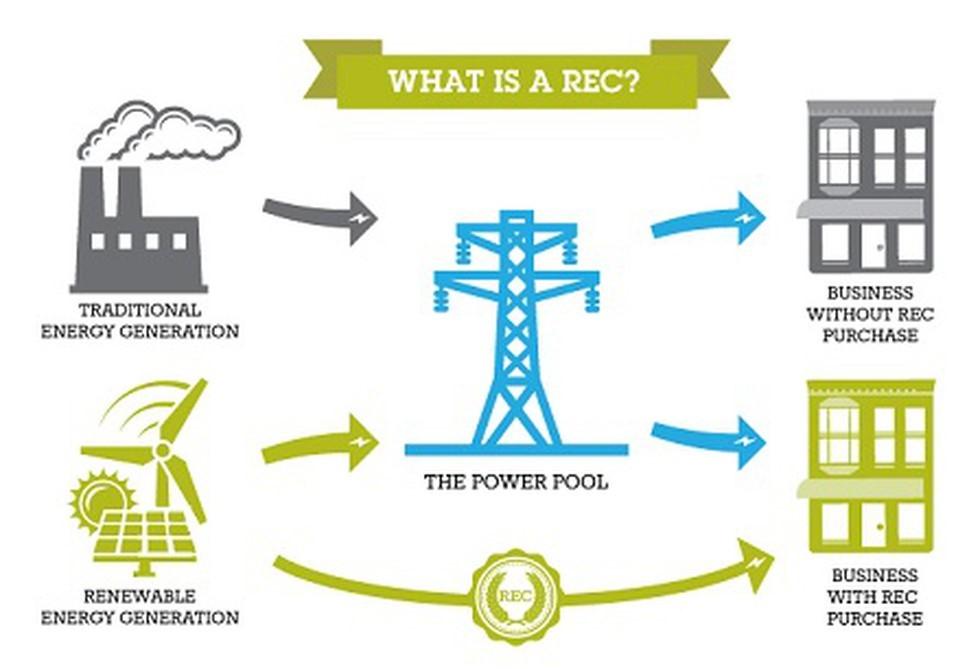
A Renewable Energy Certificate (REC) is issued when electricity is generated from renewable energy sources such as solar or wind power.
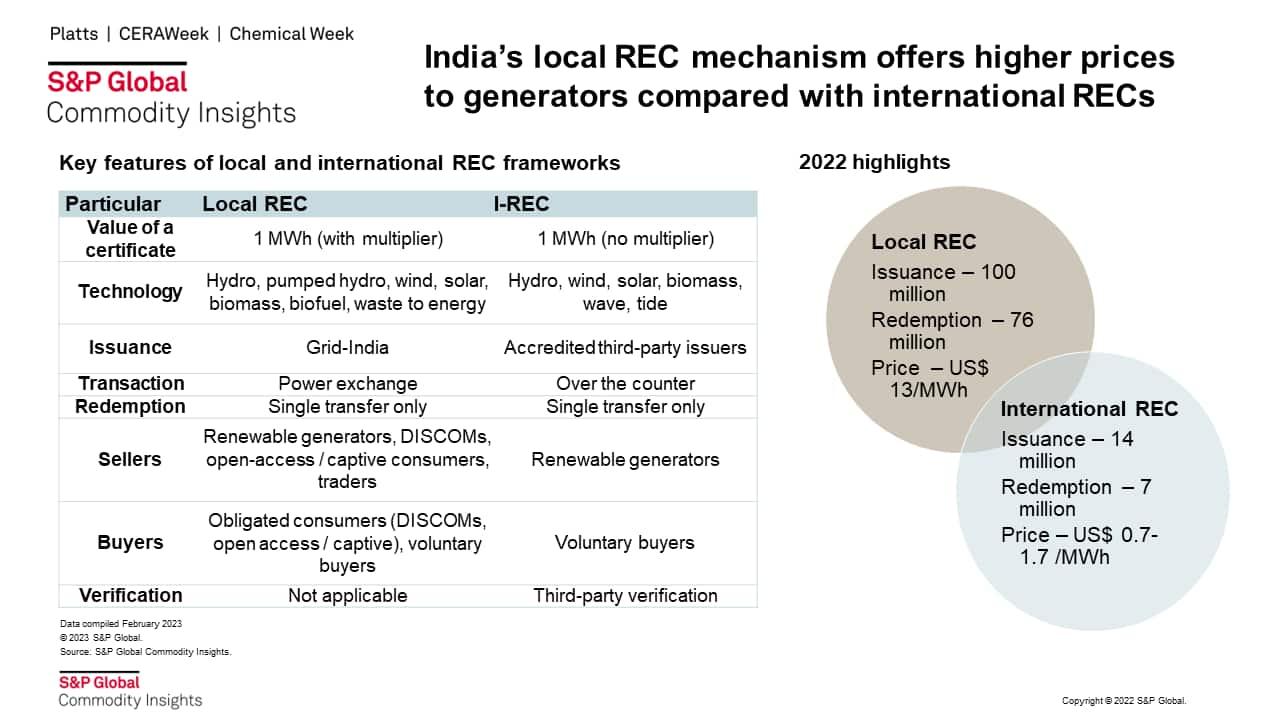
In India, RECs are mainly used for:
- Renewable Purchase Obligation (RPO) compliance
- Domestic renewable energy trading
- Meeting government renewable targets
Best For:
- Indian regulatory compliance
- Utilities and obligated entities
- Domestic renewable energy markets
What is I-REC?
An International Renewable Energy Certificate (I-REC) is a globally recognized renewable energy certificate system.
It verifies that electricity is generated from renewable sources and allows businesses to claim green energy usage internationally.
Best For:
- International ESG reporting
- Global sustainability commitments
- Export-oriented industries
- Multinational companies
What are Carbon Credits?
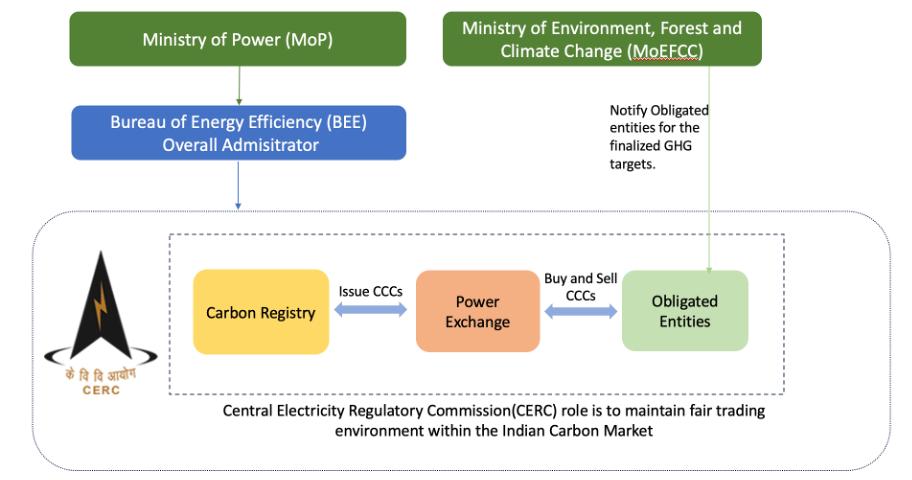
Carbon credits represent the reduction or avoidance of greenhouse gas emissions.
One carbon credit generally equals:
- 1 ton of CO₂ reduced or avoided
Solar projects earn carbon credits by replacing fossil fuel-based electricity generation.
Best For:
- Carbon offset markets
- ESG and net-zero goals
- Additional sustainability revenue
- Emission reduction strategies
Quick Comparison Table
| Instrument | Main Purpose | Best For |
|---|---|---|
| REC | Renewable compliance in India | Domestic renewable obligations |
| I-REC | International green energy claims | Global ESG reporting |
| Carbon Credits | Carbon emission reduction | Net-zero and carbon markets |